

IRATA Training Courses
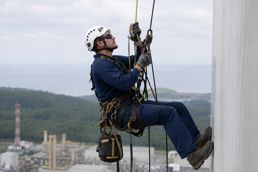
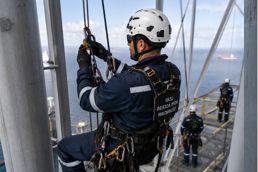
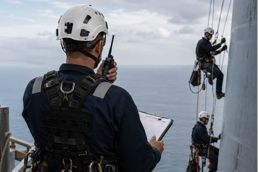
IRATA Training Courses:
- Provide internationally recognized rope access training aligned with IRATA standards;
- Help technicians develop safe work practices for working at height, climbing, manoeuvring, and rescue;
- Build the practical skills and confidence needed for inspection, maintenance, installation, and access work in challenging environments.
Why IRATA Training Is the Industry Standard
IRATA training is widely recognized across industries where safe and efficient work at height is essential. Developed by the Industrial Rope Access Trade Association, this training gives technicians the knowledge, practical ability, and safety awareness required to carry out rope access tasks in demanding environments. For professionals working in sectors such as oil and gas, renewables, offshore operations, construction, industrial maintenance, and inspection, IRATA certification is often the benchmark employers look for when selecting competent personnel.
The main purpose of IRATA training is not only to teach people how to move on ropes, but to ensure they can do so safely, methodically, and in line with strict procedures. Rope access is valued because it offers a highly efficient alternative to scaffolding and other access methods, but it can only be effective when technicians are properly trained. IRATA courses therefore combine theory, hands-on practice, equipment awareness, and rescue capability so that candidates understand both the technical and safety-critical sides of the job.
What IRATA Training Covers
IRATA training is designed to prepare candidates for real working conditions. During the course, participants are introduced to the principles of rope access, safe use of equipment, movement techniques, work positioning, changeovers, aid climbing, and rescue procedures. The exact scope depends on the level being taken, but every course is built around the same objective: helping technicians perform work safely and competently while suspended on ropes.
Candidates also learn the importance of pre-use checks, equipment compatibility, anchor awareness, risk control, and clear communication. These elements are essential because rope access work takes place in environments where small errors can have serious consequences. By developing strong habits from the outset, IRATA training helps technicians approach every task with a safety-first mindset.
IRATA Levels and Progression
IRATA training is structured into levels so technicians can progress as their experience and responsibilities grow. Level 1 is the starting point and focuses on fundamental rope access techniques, safety procedures, and basic rescue. Level 2 expands on these skills with more advanced rigging and manoeuvres, while Level 3 prepares experienced technicians for supervision, planning, advanced rescue, and overall worksite responsibility.
This progression makes IRATA training valuable not only for new entrants to the industry but also for experienced rope access professionals looking to develop their careers. Each level supports a clear pathway of competence, giving employers confidence that certified personnel have been assessed against a recognized international standard.
Why Safety Is Central to IRATA Training
Safety sits at the heart of every IRATA course. Rope access work often takes place at significant height and in exposed or restricted locations, so technicians must understand how to identify hazards, control risks, and respond properly to emergencies. IRATA training develops this awareness through repetitive practical exercises and closely monitored instruction, allowing candidates to build confidence while following safe systems of work.
Participants are taught how to inspect their equipment, use backup systems correctly, maintain secure attachments, and carry out tasks without compromising stability or control. Rescue is also a major part of training because every competent rope access technician must be ready to respond if something goes wrong. This focus on preparation is one of the reasons IRATA certification is so highly respected across multiple industries.
Equipment Knowledge and Good Practice
IRATA training includes practical instruction on the correct use of harnesses, descenders, ascenders, connectors, lanyards, cowstails, helmets, and other essential rope access equipment. Understanding how these components work together is critical for safe movement and secure positioning. Candidates also learn how to recognize wear, identify defects, and follow proper inspection procedures before equipment is used on site.
Good practice goes beyond equipment alone. The training reinforces discipline, attention to detail, and compliance with established procedures. These habits help reduce human error and support consistent performance during live work operations.
How IRATA Training Supports Industry
IRATA training plays a major role in industries where access is difficult, time-sensitive, or costly with conventional methods. Rope access allows technicians to reach structures such as towers, façades, offshore platforms, wind turbines, bridges, and industrial plants with speed and precision. When workers are trained to IRATA standards, employers benefit from a workforce that can carry out inspections, repairs, cleaning, installation, and maintenance efficiently while maintaining high safety standards.
This makes IRATA training especially valuable for organizations that need dependable access solutions without unnecessary delays. A properly trained rope access team can help reduce downtime, improve productivity, and support complex operations in locations where traditional access methods may be less practical or more disruptive.
Inspection, Maintenance, and Installation Work
One of the biggest advantages of IRATA-qualified personnel is their versatility. Rope access technicians are often involved in structural inspections, non-destructive testing support, painting, sealing, cladding work, maintenance tasks, and installation projects. Because IRATA training emphasizes both safe access and controlled movement, technicians are better prepared to work efficiently while maintaining the quality expected on professional sites.
For employers, this means access teams can complete detailed tasks in hard-to-reach places with minimal disruption to surrounding operations. For technicians, it means broader opportunities across different sectors and project types.
Key Benefits of IRATA Training for Employers
Employers who invest in IRATA training gain access to a recognized system of competence that helps strengthen safety and operational performance. Certified technicians understand safe working methods, emergency procedures, and the importance of following structured rope access systems. This can reduce the likelihood of incidents, improve planning confidence, and support safer project delivery.
IRATA training can also support efficiency. Teams that are properly trained can mobilize quickly, access difficult areas effectively, and carry out work with less dependence on larger temporary structures. In many projects, that can translate into time savings, improved responsiveness, and better use of resources.
Improving Compliance and Reducing Risk
In high-risk industries, employers must be able to demonstrate that their personnel are competent for the tasks they perform. IRATA certification helps provide that assurance. By using technicians trained within a recognized framework, companies can support compliance expectations, strengthen their safety culture, and reduce exposure to avoidable risk.
Trained rope access workers are more likely to identify hazards early, follow correct procedures, and contribute to safe working environments. That proactive approach benefits both day-to-day operations and longer-term business performance.
Key Benefits of IRATA Training for Technicians
For individuals, IRATA training opens the door to a respected and highly transferable skill set. Rope access certification can improve employability, increase access to specialist projects, and help candidates stand out to employers who require proven competence at height. Because IRATA is internationally recognized, the qualification is valued across many regions and sectors.
Technicians also benefit from the confidence that comes with structured, practical training. Learning how to use equipment correctly, move efficiently on ropes, and perform rescues under assessment conditions gives candidates a stronger foundation for live work. That confidence supports both safety and performance once they return to site.
Career Development and Long-Term Progression
IRATA training is more than a short-term certification. It provides a pathway for long-term growth within rope access careers. As technicians build hours and experience, they can progress through higher levels and take on greater responsibilities, including advanced rigging, rescue planning, and supervision.
This creates real career potential for motivated professionals. Whether a candidate is entering the industry for the first time or expanding an existing work-at-height background, IRATA certification offers a practical route toward more specialized and senior roles.
Choose IRATA Training for Professional Rope Access Skills
IRATA training remains one of the most trusted ways to build competence in rope access. It combines internationally recognized standards, practical assessment, safety-focused instruction, and clear career progression in a format that meets the needs of both employers and technicians. From foundational rope work to advanced supervision and rescue capability, IRATA courses help create safer, more capable professionals for demanding environments.
If you are looking to develop reliable rope access skills, improve safety performance, or build a stronger career in work at height, IRATA training is a proven place to start.
Who IRATA Training Is Suitable For
IRATA courses are suitable for new entrants who want to begin a rope access career as well as experienced professionals working in maintenance, inspection, offshore operations, construction, renewables, industrial services, and other sectors where safe access at height is essential. With the right training and assessment, candidates can build practical capability that is relevant across a wide range of real-world applications.
A Strong Investment in Safety and Capability
Whether viewed from an operational, safety, or career perspective, IRATA training is a strong investment. It helps organizations develop competent teams and gives technicians a credible qualification that supports professional growth. In environments where precision, safety, and reliability matter, that value is hard to overstate.